
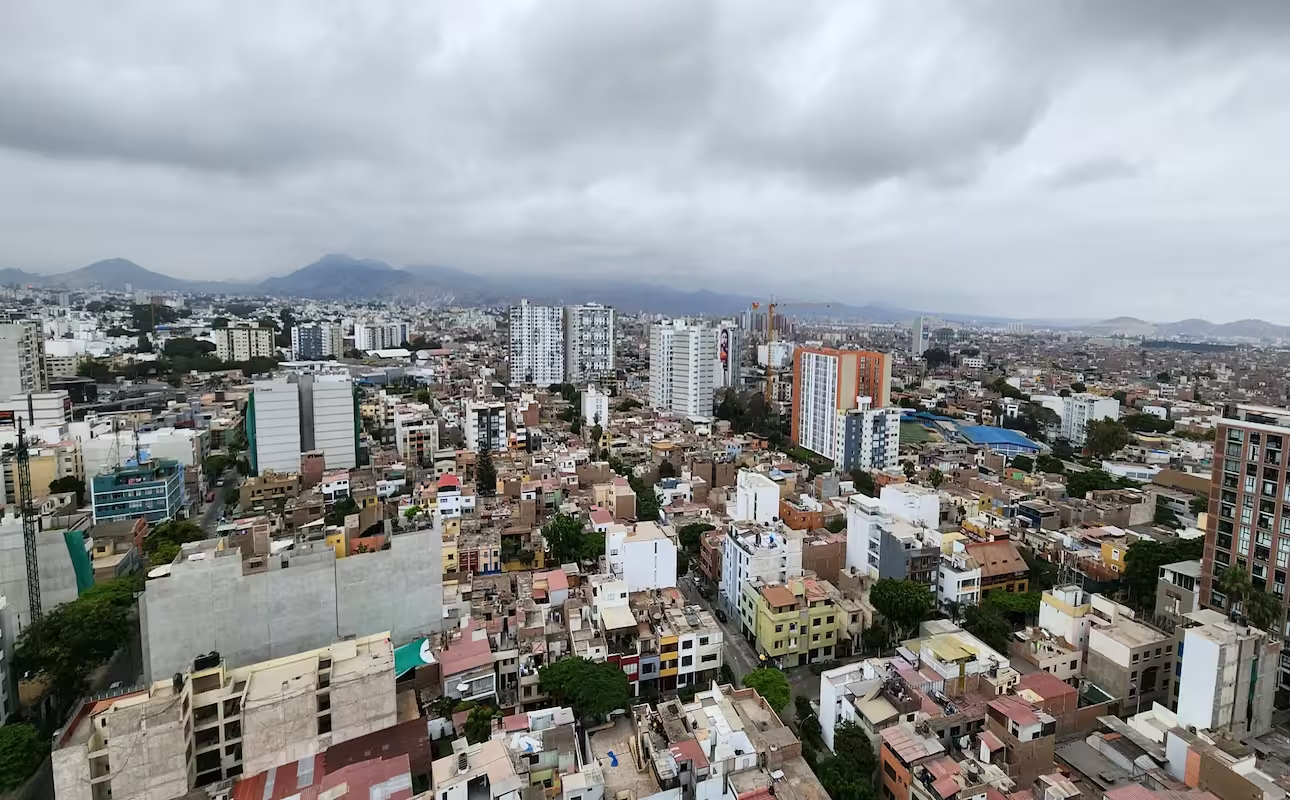
Transportation in Lima
Lima, the capital of Peru, is a bustling metropolis with nearly 10 million inhabitants, where transportation can be challenging but also an exciting experience. Below we present the city's transportation options to help you navigate more easily.
Maps
Google Maps and Apple Maps work perfectly in Lima. Use the route planner. Download offline maps as well, so you can navigate without internet!
Airport Transfer
Lima Airport Express Bus is a convenient and safe transfer service that connects Jorge Chávez International Airport with Lima's popular districts, such as Miraflores and San Isidro. The buses are equipped with modern amenities, including free Wi-Fi, air conditioning and USB chargers.
A single ticket costs approximately 20 Peruvian soles and can be purchased in advance online or at the airport counter. The service is safe and particularly recommended for tourists.
Ridesharing and Taxi
We believe the easiest form of transportation in Lima is ridesharing apps. Prices vary depending on the type of ride, distance traveled and traffic conditions. You can view the exact fares in the apps in advance after entering your pickup and destination.
Uber
a popular global mobile app-based ridesharing service that allows users to conveniently and quickly order a car directly from their phone. Uber not only offers car rides, but also food delivery and many other services.
DiDi
similar to Uber, particularly popular in Asia and Latin America.
inDrive
unlike the previous two, inDrive allows passengers and drivers to negotiate the price directly, offering more flexible rates.
Many taxis are available in Lima, but it's advisable to agree on the price in advance, as most don't use taxi meters. Also, they are not always safe. It's possible that the driver doesn't have a license. Uber and DiDi may be safer and more reliable alternatives.
Public Transportation
Metropolitano Bus
a rapid bus system that crosses Lima. It's a convenient and efficient way to get around the city. The buses run on dedicated lanes, avoiding traffic jams and providing faster travel.
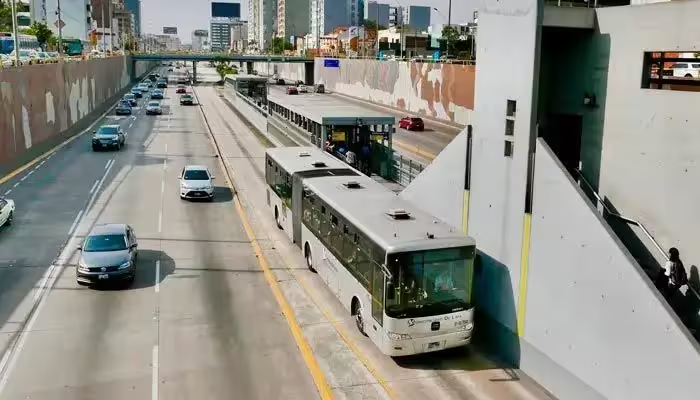
Corredor Azul
another important rapid bus system in the Peruvian capital. It passes through various districts of the city, such as Miraflores, San Isidro and Barranco. The buses provide direct connections between the busiest urban neighborhoods. Currently available on 4 routes: 301, 302, 303 and 306. Boarding at the front door and card-swipe turnstile, credit cards don't work and you can't buy tickets with cash on the bus.
Public Transportation Card
To travel, you need a rechargeable card that can be purchased from machines at Metropolitano bus stops, costing 5 Peruvian soles. Unfortunately, the card price is not usable, you need to top it up. Good news is that you can do this at the machine with a credit card or cash. A single trip costs around 2.50 Peruvian soles. There is also the option to purchase or top up public transportation cards at TAMBO convenience stores or from uniformed workers at bus stops, for example for the Metropolitano or Corredor Azul system.
Local Buses
In addition to the major bus routes in Lima's transportation system, smaller buses also operate, often serving local, shorter routes. These smaller buses typically run in various parts of the city and are also known as "colectivos" or "micros".
Colectivos
These are minibuses that mostly run on fixed routes but don't follow a strict schedule. Drivers typically "collect" passengers along their route, and prices are flexible, varying depending on distance. Usually between 1 and 3 Peruvian soles. These types of buses are often crowded, but travel can be fast and cheap. Tickets can be purchased on the bus with cash.
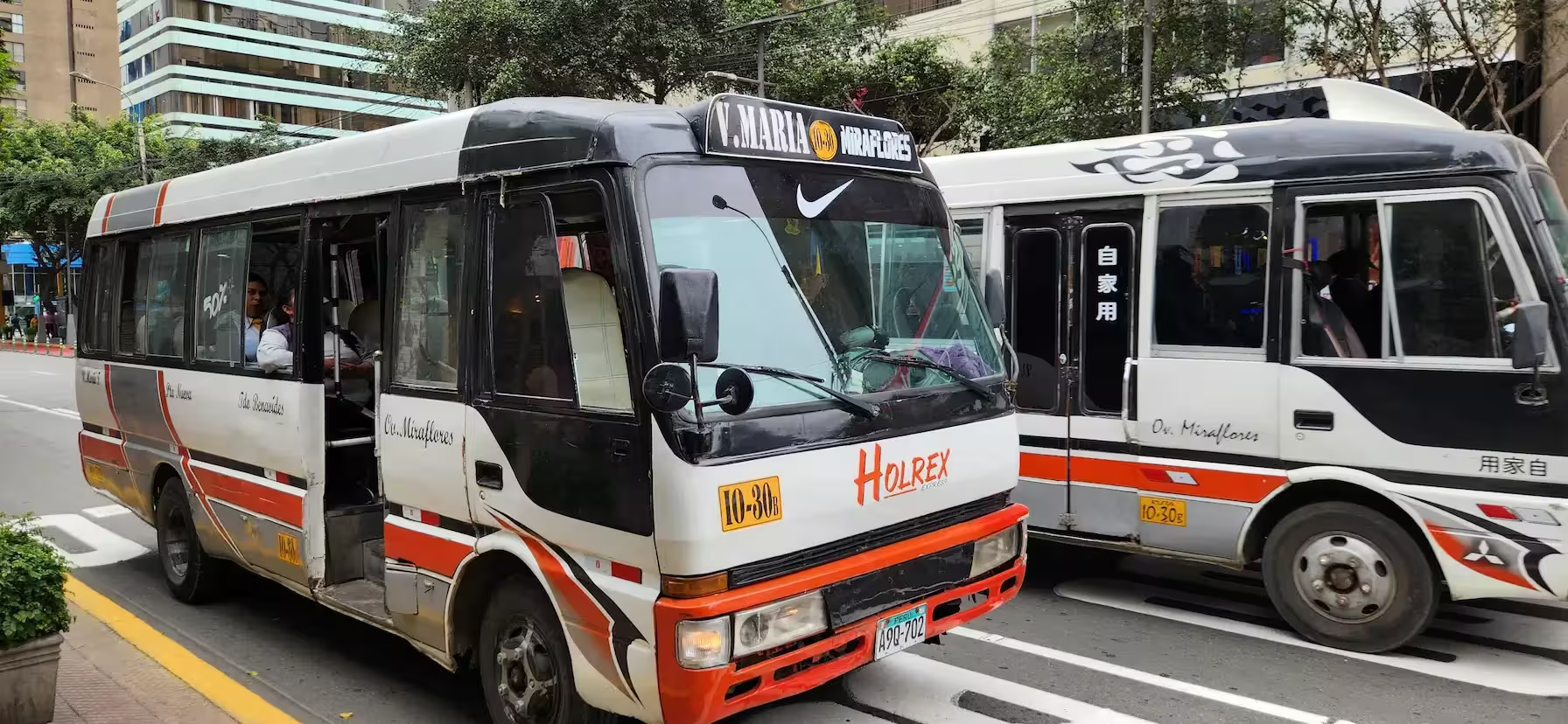
Micros
Micros are small buses that run alongside the major bus routes, and their routes focus on shorter segments. These buses are also typically cheaper, but comfort is not always guaranteed. Micros run relatively frequently and are often ideal for people's daily commutes.
Metro
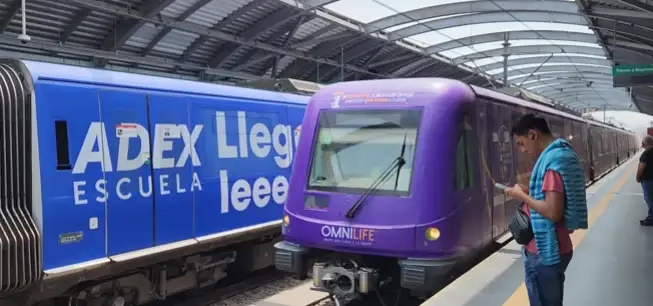
Lima's Metro currently consists of one line that connects the northern and southern parts of the city. The metro line passes through the busiest areas of the city, such as near Plaza Mayor, Plaza San Martín and Plaza Grau. The line was inaugurated in 2014 and runs above ground as an elevated railway with clean and air-conditioned vehicles. The city's second metro line is currently under construction and will run underground.
Mototaxi
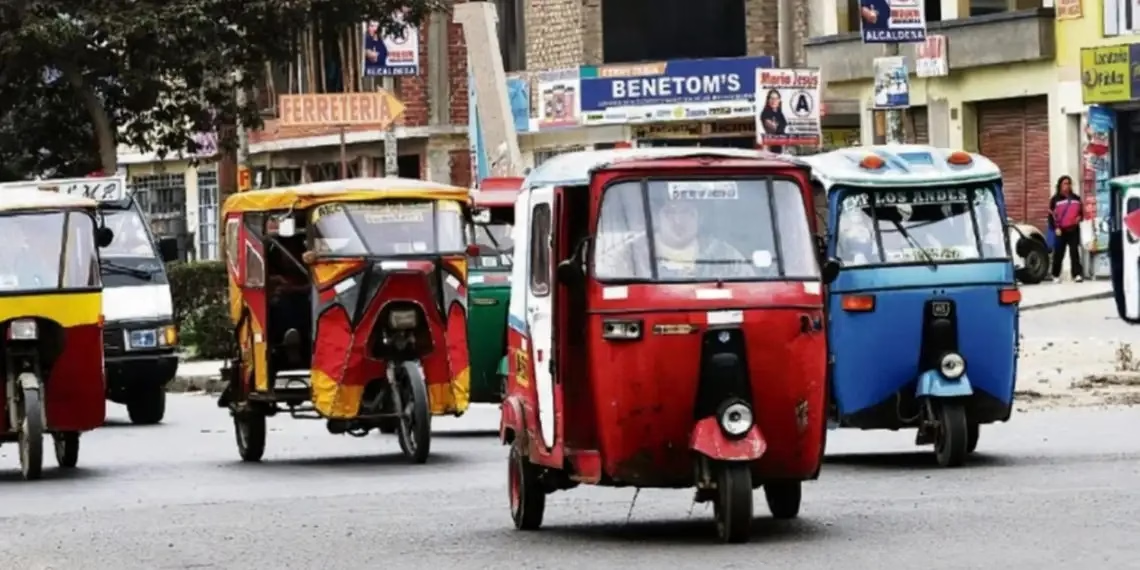
In Lima, tuk-tuks are generally called "mototaxi". This term refers to three-wheeled, motorized vehicles that are mainly used for short-distance travel in the city's narrower streets. Mototaxis are popular among locals because they are fast and cheap, especially in crowded urban areas. They are banned from tourist districts such as Miraflores and Barranco.
Car Rental
Although car rental is an option, driving in Lima is not recommended due to heavy traffic and often chaotic traffic rules. If you still decide to rent a car, make sure you have an international driver's license.